

As schools return for term one, New Zealand roads are about to re-enter their most dangerous daily window - and it’s not late at night or on long-haul routes.
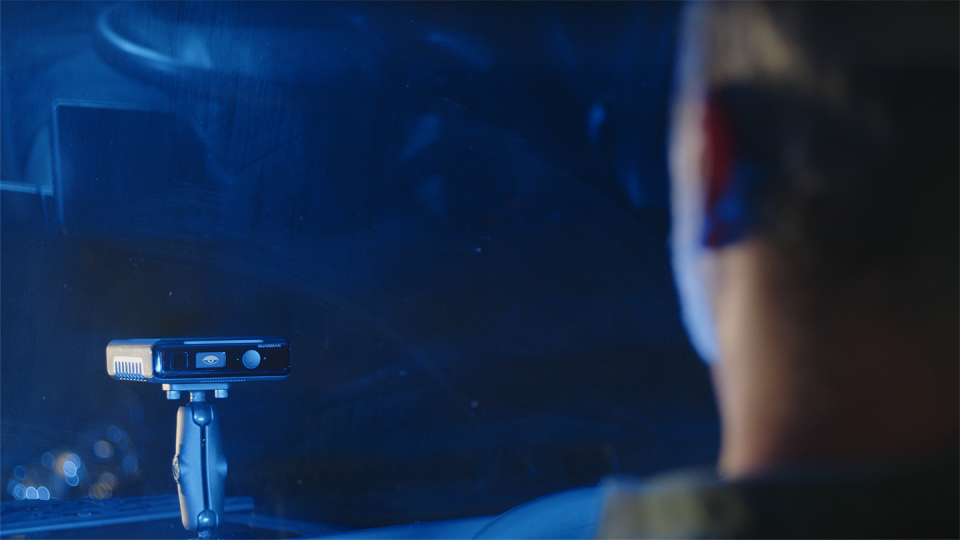
New fleet safety data from the annual AutoSense Guardian New Zealand Insights Report 2025 drawn from nearly 6,000 Guardian by Seeing Machines cameras installed in commercial vehicles across New Zealand - shows the highest rate of driver fatigue events occurs between 7 and 8am, overlapping with the start of the school run when parents, school buses and commercial fleet vehicles are sharing the same roads.
Fatigue risk is elevated throughout the morning peak from 4am to 10am, concentrating risk during the hours when families and professional drivers are most likely to cross paths.
The scale of that risk is significant. In the past year alone, 19,336 human-verified fatigue events were recorded across New Zealand commercial fleets - prompting an average of 53 driver wake-up interventions every day.
This places the school run within a period of heightened microsleep risk. Defined as a lapse of attention lasting 1.5 seconds or longer, a microsleep causes a temporary lapse in situational awareness, leaving a vehicle effectively unguided for critical moments.
Risk also follows clear day-of-week patterns. The report found Tuesdays account for 23 percent of all verified fatigue events - nearly one in four - and 18.5 percent of distraction events, making them the single highest-risk day on New Zealand roads. This runs counter to the common belief that risk peaks later in the working week.
Over the reporting period, the technology captured 983,750 risky driving events, including 19,336 fatigue events and 51,597 distraction events.
AutoSense CEO Charles Dawson says, “Behind the numbers and technology sits a very human safety layer. In the past year alone, the Guardian call centre made more than 14,000 real-time intervention calls to New Zealand fleet operators, stepping in when fatigue or distraction was detected and interrupting risk before it could escalate..”
While mobile phone use remains a major concern, the data reveals a broader distraction profile. Mobile phones account for 14,575 events - 28 percent, or more than one in four distraction incidents - while the remaining 72 percent (37,022 events) are caused by other in-cab distractions including changing radio station, amending playlists and looking out the window, underscoring that most distraction risk extends beyond phones alone.
The New Zealand Guardian Insights Report 2025 covers the 12 month period from 1 July 2024 – 30 June 2025 and can be downloaded here: https://www.autosense.co.nz/nz-guardian-insights