

Eighty-two per cent of work-related fatalities in New Zealand’s transport and warehousing sector involve vehicles, underscoring what safety leaders describe as one of the under-governed workplace risks.
AutoSense CEO Charles Dawson says that while vehicle incidents remain one of the most common causes of workplace death in New Zealand, for many organisations, it is a health and safety blind spot.
“Driving is the work activity most likely to result in serious harm, yet many businesses are not treating driving risk with the same rigour as other risks, such as cyber breaches or financial controls.”
He says that while fatality statistics reflect the outcome, fleet monitoring data highlights the behavioural risks underpinning that exposure. Across almost 6,000 commercial vehicles in New Zealand fitted with Guardian by Seeing Machines technology and supported by AutoSense, monitoring records an average of 53 verified micro-sleep events every day and more than 141 distraction events daily - with over 28 per cent involving mobile phone use.
“These are measurable behavioural risks occurring daily across commercial fleets,” says Charles.
“Fatigue, scheduling pressure and distraction are not isolated incidents – they are systemic factors that require structured oversight.
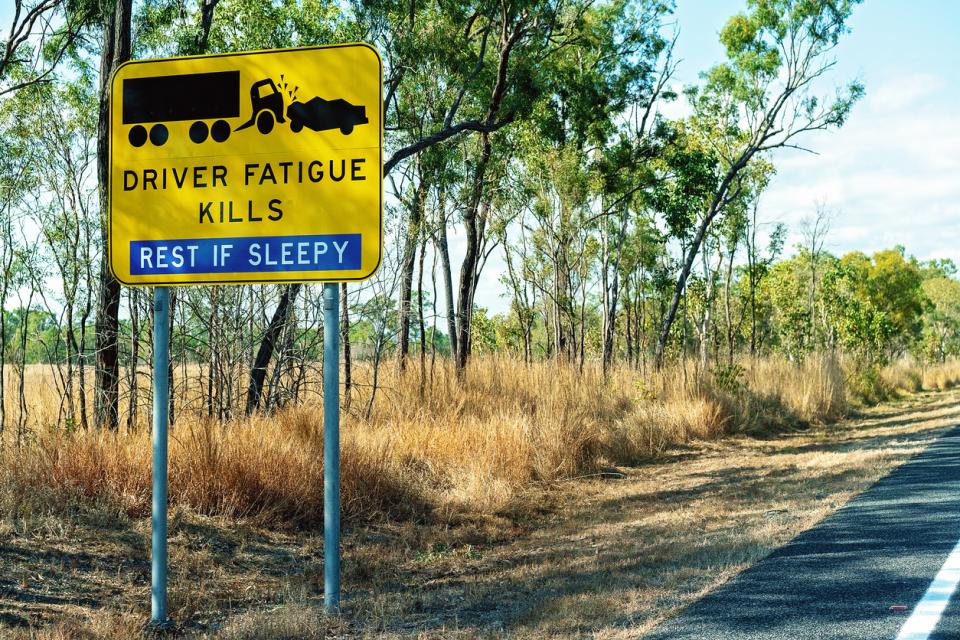
“Driving fatigued impairs reaction time, judgement and decision-making in ways comparable to alcohol impairment – but unlike drink driving, fatigue often goes unchecked.”
Transport operators and fleet leaders should ensure safe driving policies are current, enforceable and aligned with real-world risk patterns - particularly around fatigue management, mobile device use, scheduling pressure, reporting and escalation.
“For many organisations, driving is the highest-risk activity their people undertake. That risk requires clear expectations, active monitoring and meaningful reporting and not assumptions.”
International laws demonstrate how accountability can extend beyond the driver. Working with fleet operators in New Zealand and Australia gives AutoSense a clear view of how accountability expectations for driving risk are evolving on both sides of the Tasman.
In 2025, Australia’s National Heavy Vehicle Regulator prosecuted the director of a South Australian concrete manufacturer following a fatal collision, citing failures in maintenance systems and risk controls. Investigations into the 2020 Eastern Freeway crash in Melbourne, where four police officers were killed by a fatigued and impaired truck driver, uncovered systemic failures in fatigue management and resulted in convictions and penalties for senior company leaders.
“Responsibility does not stop at the roadside,” Dawson says. “Where fatigue, scheduling pressure or poor controls are systemic, scrutiny can move upward.”
While New Zealand does not have a formal Chain of Responsibility regulation, directors here already have statutory due diligence obligations under health and safety law. WorkSafe has demonstrated a willingness to pursue accountability where governance failures contribute to serious harm. Overseas experience shows that where serious harm is linked to systemic risk controls, accountability expectations rarely move backwards.
“New Zealand organisations would be prudent to assume expectations around demonstrable oversight of driver behaviour and fatigue risk will continue to rise,” Dawson says.
“Best practice fleet safety isn’t just about compliance. It’s about actively protecting your people and the communities they share the road with. Employers that take driving risk seriously are demonstrating leadership long before regulation forces their hand.”